
Why Space Design Matters in Childhood Development
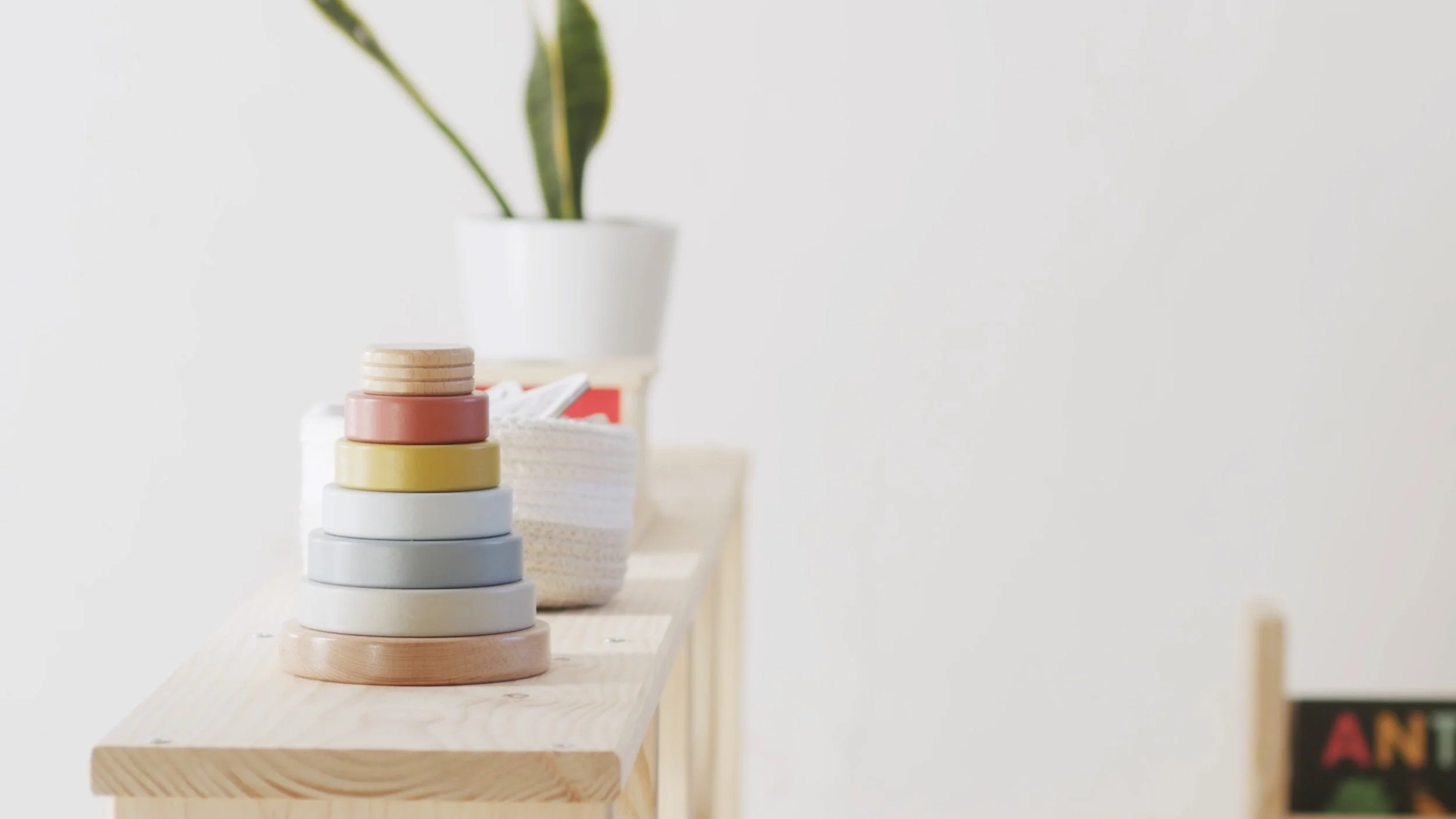
Children do not develop in isolation. They develop in environments. Every space they inhabit—home, school, outdoors—shapes how they move, concentrate, explore, and understand the world.
In educational space design, the environment is not a background. It is an active part of learning and development.
The environment as a developmental tool
In early childhood, the environment influences:
Autonomy and independence
Concentration and attention span
Movement and coordination
Emotional regulation
Curiosity and exploration
When a space is intentionally designed, it supports the child’s natural development instead of limiting it.
What makes an educational environment intentional?
An intentional educational space is not defined by style, but by purpose. It considers how a child interacts with the environment.
Key principles include:
Accessibility: children can reach and use what they need
Order: a clear structure that supports orientation and calm
Movement: space for physical exploration
Simplicity: reduced visual overload
Beauty: calm, natural, and respectful aesthetics
These principles are present in Montessori-inspired environments, but they extend beyond any single methodology, including Reggio Emilia, Waldorf education, and other educational approaches. At their core, they are rooted in a respect for the child and an understanding that environments influence development.
Leading architects and design thinkers have also brought attention to the importance of creating environments that honor the child's dignity and support their autonomy. Architects such as Herman Hertzberger and designers like Rosan Bosch have demonstrated how thoughtful spaces can encourage exploration, collaboration, creativity, and a sense of belonging. Their work highlights that educational environments are not merely containers for learning, but active participants in children's lives.
Why design and pedagogy must work together
Space design becomes powerful when it is guided by educational intention. Without this link, environments risk becoming either purely aesthetic or purely functional.
When pedagogy and design come together, space becomes a tool that supports learning, autonomy, and development.
This understanding extends beyond educational methodologies and is increasingly embraced by architects, educators, and large design firms seeking to create environments that respect children's dignity, capabilities, and need for meaningful engagement with the world around them.
How this connects to Sínia Spaces
At Sínia Spaces, we design environments where children can move, explore, grow, create, and play through intentional design.
This approach informs all our work:
Sínia Design(homes, schools, learning environments)
Sínia Courses (educational frameworks for families and educators)
Sínia Play (outdoor, child-led play experiences)