
Designing Outdoor Learning Environments for Children
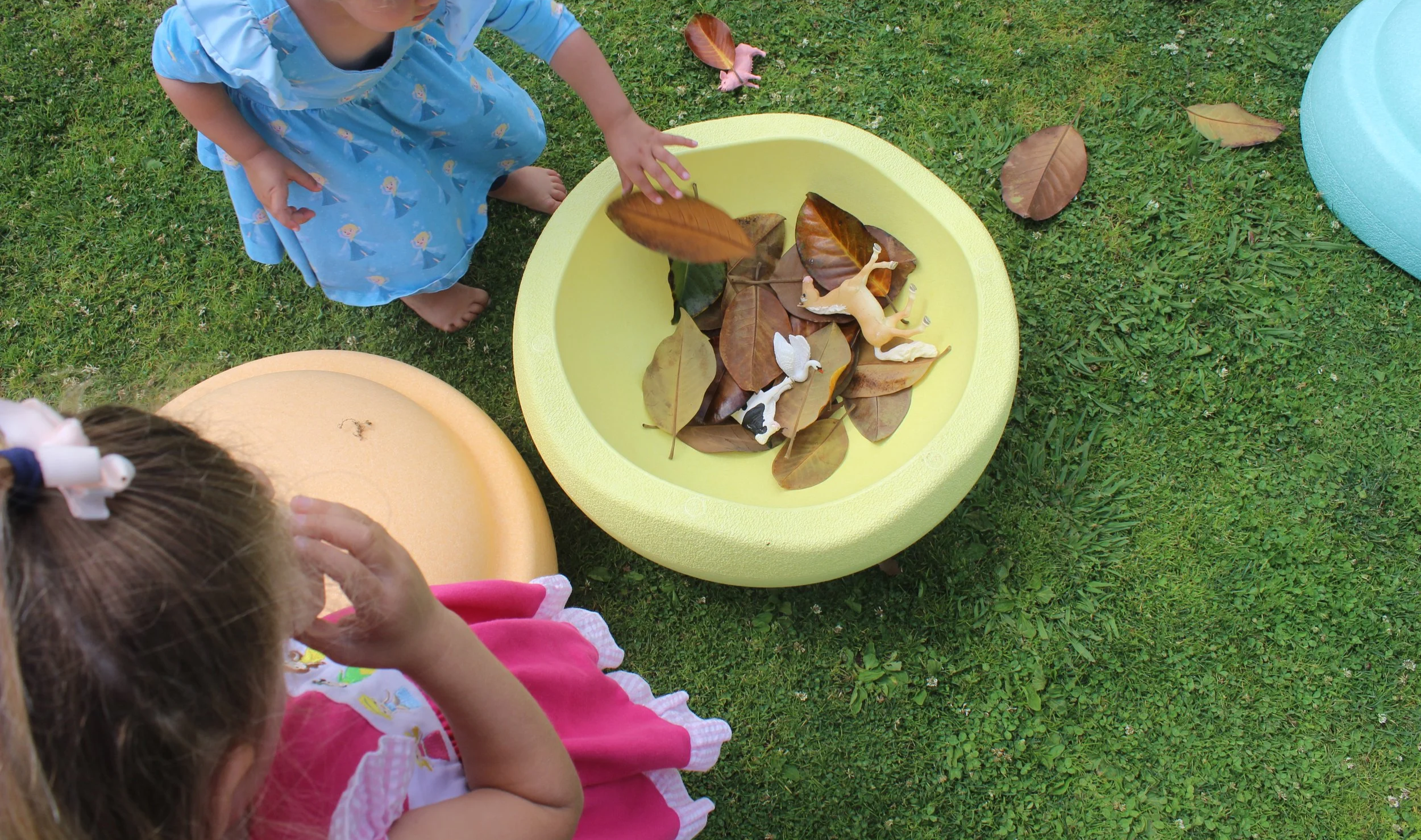
Sínia Play Session — child-led outdoor exploration
Meaningful play begins with freedom to move, explore, and follow natural curiosity. Outdoor environments offer children opportunities that cannot be replicated indoors, inviting them to interact with nature through movement, imagination, and self-directed discovery.
In educational space design, outdoor spaces are not secondary to learning. They are essential environments that support autonomy, intrinsic motivation, and child-led exploration.
The outdoor environment as a developmental tool
In early childhood, outdoor environments influence:
Gross motor development through movement and physical exploration
Sensory awareness through direct interaction with natural elements
Confidence and risk assessment through embodied experience
Creativity and imagination through open-ended play
Social development through shared exploration
When outdoor spaces are intentionally designed, they support these developmental processes instead of leaving them to chance.
Meaningful play emerges in simple, thoughtful environments. Each space is designed so children can move freely, explore at their own pace, and follow their natural curiosity. When the environment supports intrinsic motivation rather than instruction, children engage with learning in a more active and self-directed way.
Child-led, intrinsically motivated play is at the core of intentional outdoor environments. Grounded in Montessori and Pikler principles, and supported by play designers such as Cas Holman, these environments foster self-discovery, autonomy, and curiosity. They give children space to choose, decide, and imagine as they learn at their own rhythm.
What makes an outdoor environment intentional?
An intentional educational space is not defined by aesthetics or natural setting alone, but by how it supports the child's interaction with the environment.
Key principles include:
Connection to natural elements that anchor sensory experience
Open-ended materials and structures that allow multiple uses
Freedom of movement across different types of terrain
Balance between challenge and safety to support confidence building
Simplicity to reduce overstimulation and support focus
These principles appear across Montessori-inspired, Reggio Emilia, and other child-centered approaches. At their core, they reflect a shared understanding: the environment is an active part of learning and development.
A strong outdoor environment often includes both structured and unstructured areas. Structured zones offer gentle orientation, while open zones allow complete freedom of exploration. This balance supports both security and imagination.
Why pedagogy and outdoor design must work together
Outdoor space design becomes powerful when it is guided by educational intention. Without this link, environments risk becoming either purely aesthetic or purely functional.
When pedagogy and design come together, outdoor environments become tools that support movement, exploration, autonomy, and development in a more integrated way.
This understanding is increasingly embraced by educators, architects, and design studios who recognize that learning extends beyond indoor classrooms into natural environments.
How this connects to Sínia Spaces
At Sínia Spaces, we design environments where pedagogy and space are developed together across home, school, and nature.
This approach informs all our work:
Sínia Design (outdoor learning environments, playgrounds, and educational spaces)
Sínia Courses (guidance for families and educators creating intentional environments)
Sínia Play (child-led, nature-based learning experiences rooted in autonomy and exploration)